
When Do Snowdrop Flowers Bloom?
13th January 2026
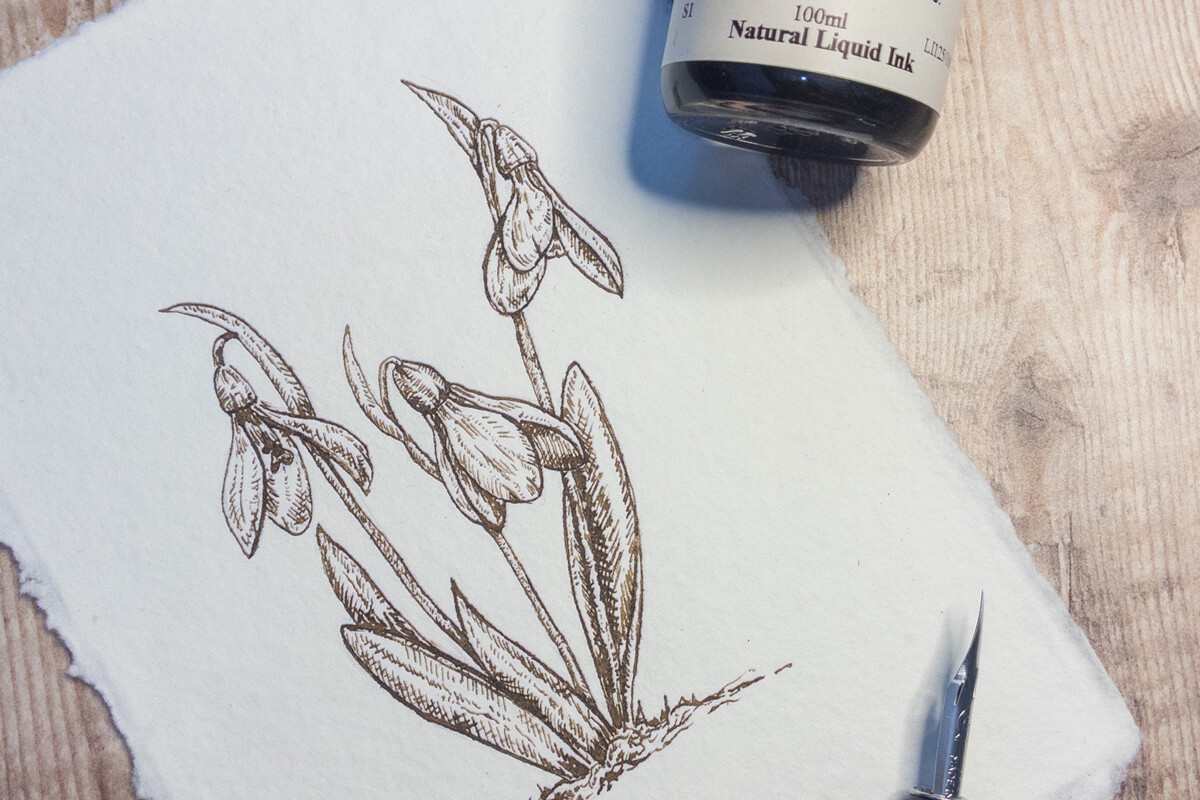
Winter can feel a little brown and grey, so when snowdrop flowers bloom, they often feel like a quiet promise of what’s to come. These delicate white flowers are among the first signs of life in the garden and countryside. Often spotted on still mornings when the air feels cold but full of possibility. For many of us, they symbolise hope, renewal, and the gentle return of Spring.
When do Snowdrop flowers bloom?
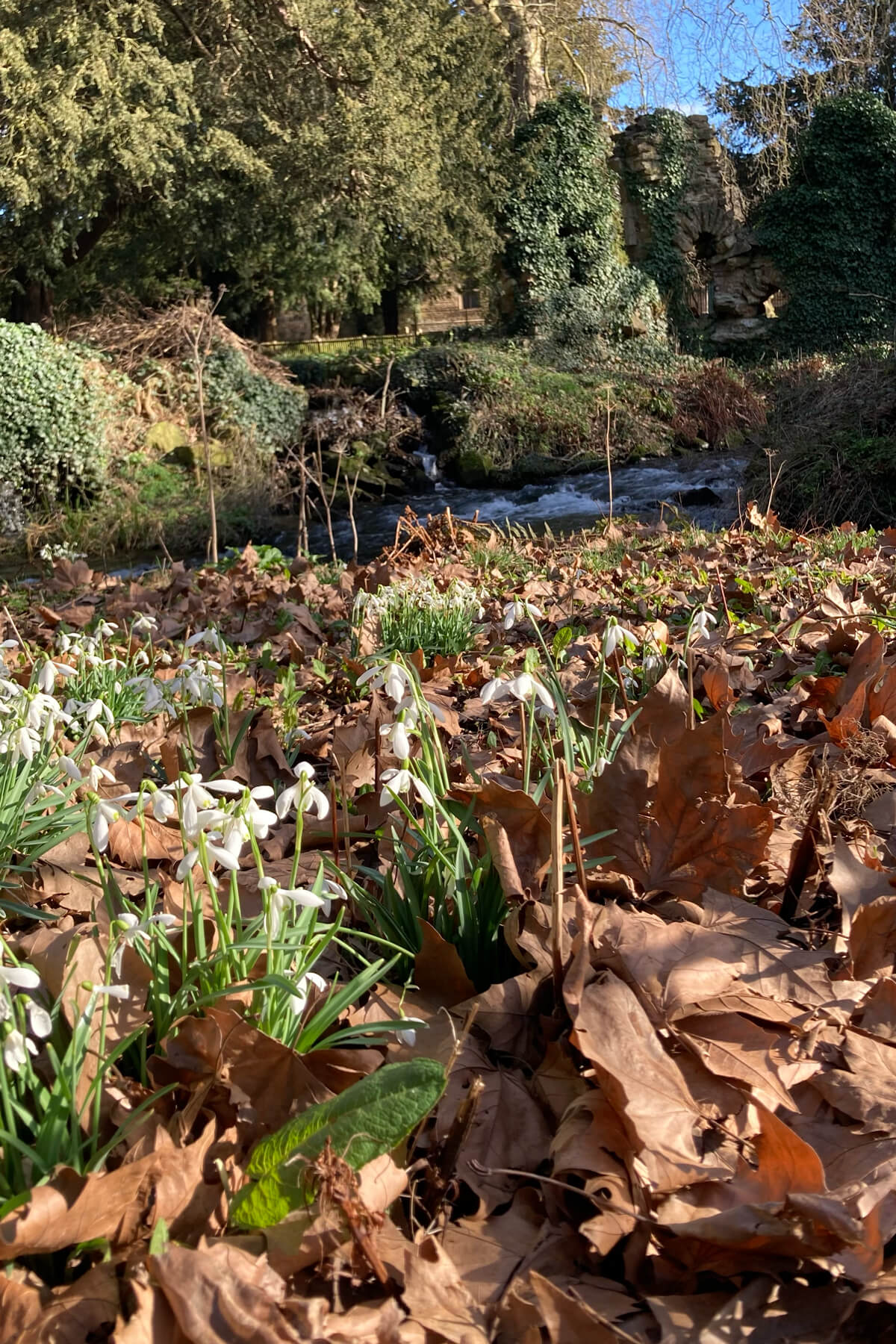
So, when do Snowdrops flowers bloom in the UK? Traditionally, snowdrops begin to appear across British woodlands, riverbanks, parks and hedgerows in January and February. According to the Woodland Trust, the average first sighting is around 26th January. In more recent years, however, snowdrops have been spotted much earlier, sometimes as early as December. I know the snowdrops near my parents’ house were already peeking through around Christmas, quietly marking the shift in the season.
While this early arrival can spark excitement for the coming Spring. It also invites us to pause and notice how climate change is affecting British wildlife. Snowdrops are hardy little plants that love to thrive in damp, cold soil. They even have the strength to push through the frozen ground and snow. With a natural sap that acts like nature’s own antifreeze, snowdrops can survive cold temperatures and bloom right in the heart of winter. I like to think of it as a quiet reminder that strength doesn’t always look bold, but can come in all forms, even in tiny, white, delicate flowers.
Where do Snowdrops come from?
Like many, I always thought of Snowdrops as a native British flower. But despite their long association with our landscapes, they weren’t recorded in the UK until the 16th century, when they were grown as ornamental plants. It wasn’t until the 18th century that snowdrops were documented growing freely in the wild, slowly weaving themselves into our seasonal story. One of my friends recently pondered if where Snowdrops are spotted in the wild may have been where houses or gardens used to be in the past. An everlasting reminder of those who walked the world before us.
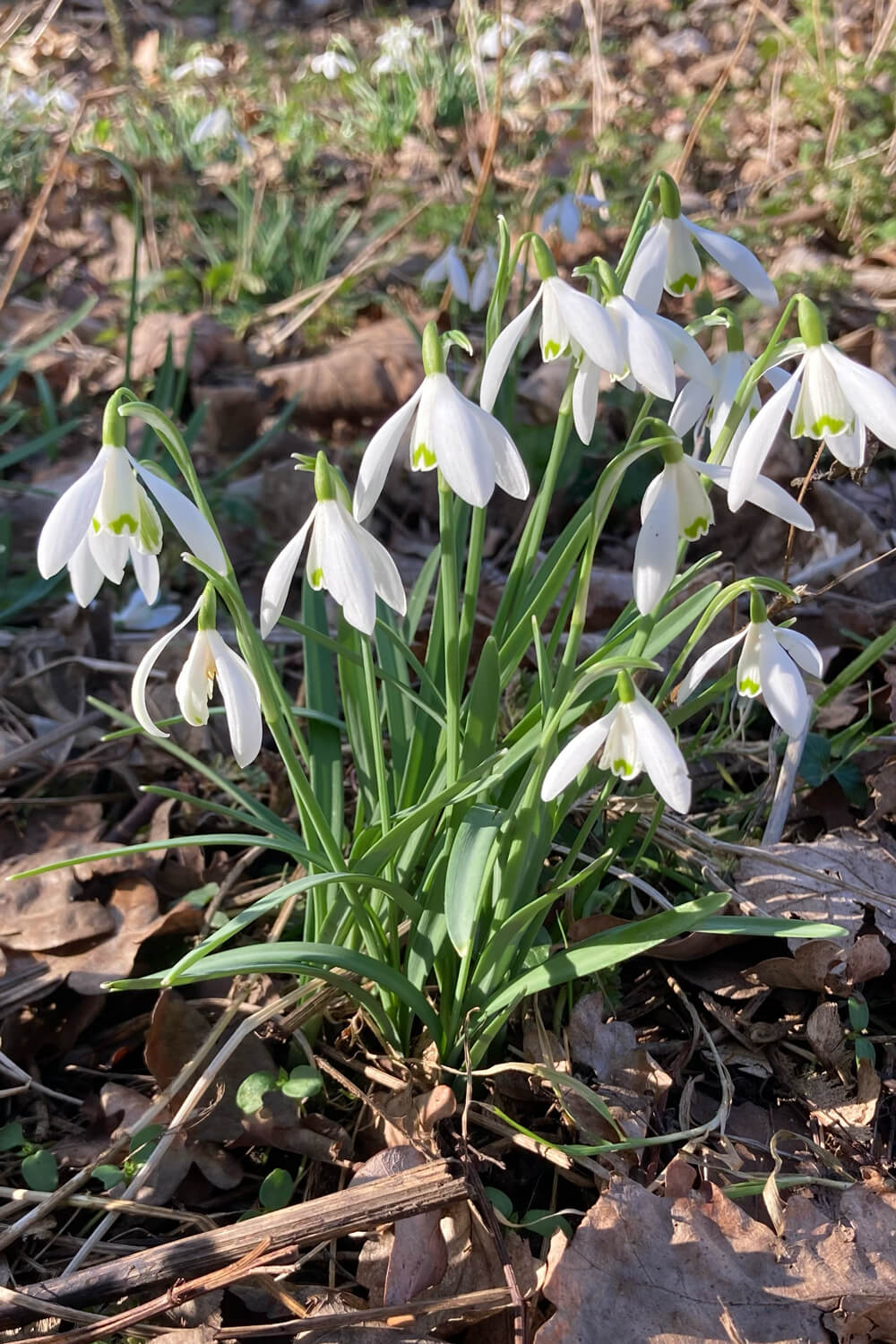
Although Snowdrop flowers appear to have petals, they actually have six tepals, a botanical term used when petals and sepals look the same. In the wild, Snowdrops don’t spread through pollinators but by the natural division of their bulbs, growing gradually beneath the soil. That quiet, steady growth often goes unseen, yet over time it creates the drifting carpets we love to spot on Winter walks. But on warmer days, bees and insects will still visit them, drawn to their early offering of pollen.
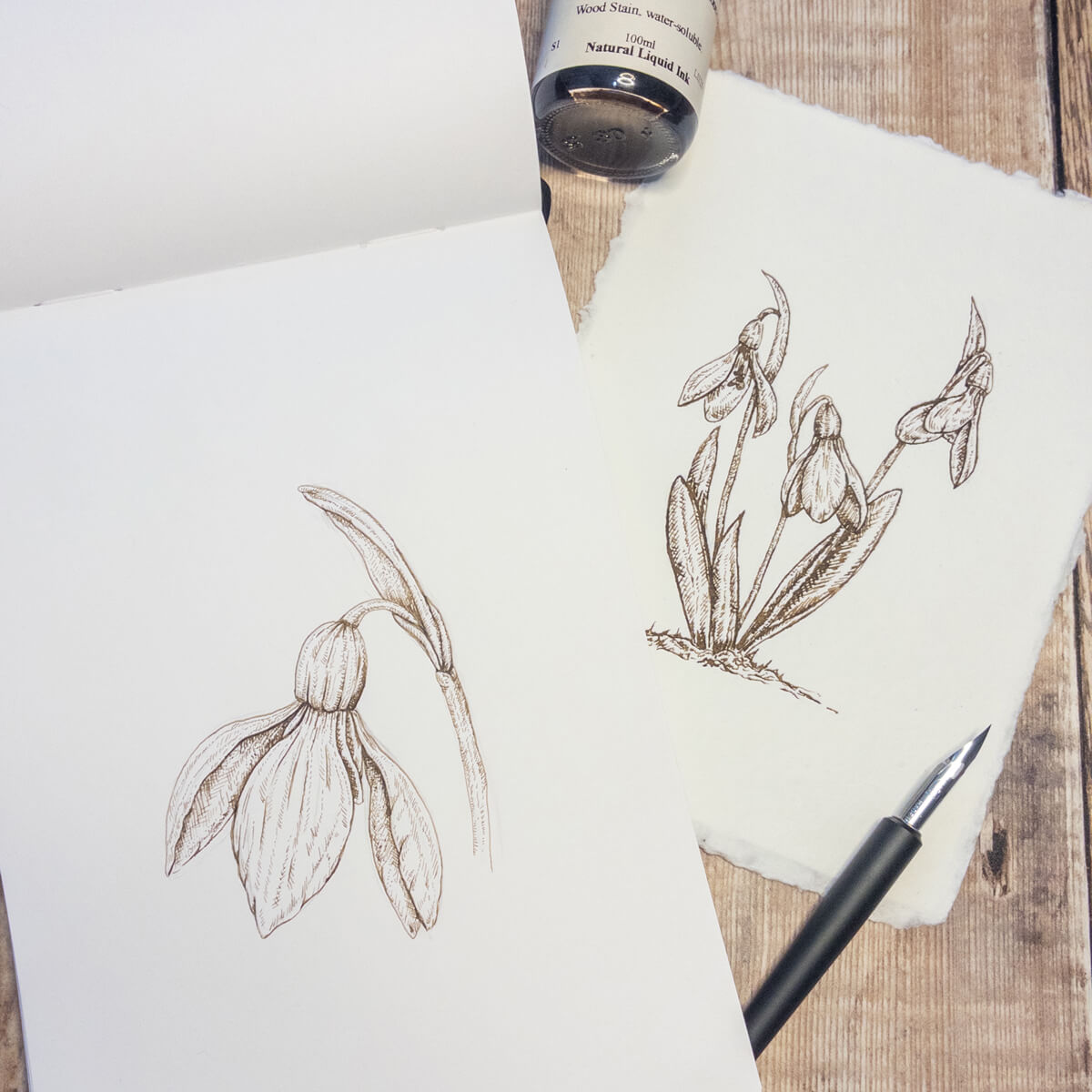
Symbolism of a Snowdrop
As one of the first flowers of the year to bloom in the depths of Winter, the story and symbolism of a Snowdrop flower has long been tied to hope and consolation. Their bright white blooms are often seen as a symbol of renewal, purity, and better days ahead, especially welcome at a time of year when our Winter energy can feel slow.
The Victorians, who adored floral symbolism through floriography, associated Snowdrops with “friends in adversity,” hope in times of sorrow, and quiet strength. Yet alongside this affection came superstition. Many believed that bringing snowdrops indoors was a bad omen, or that spotting a single snowdrop in your garden foretold an impending disaster.
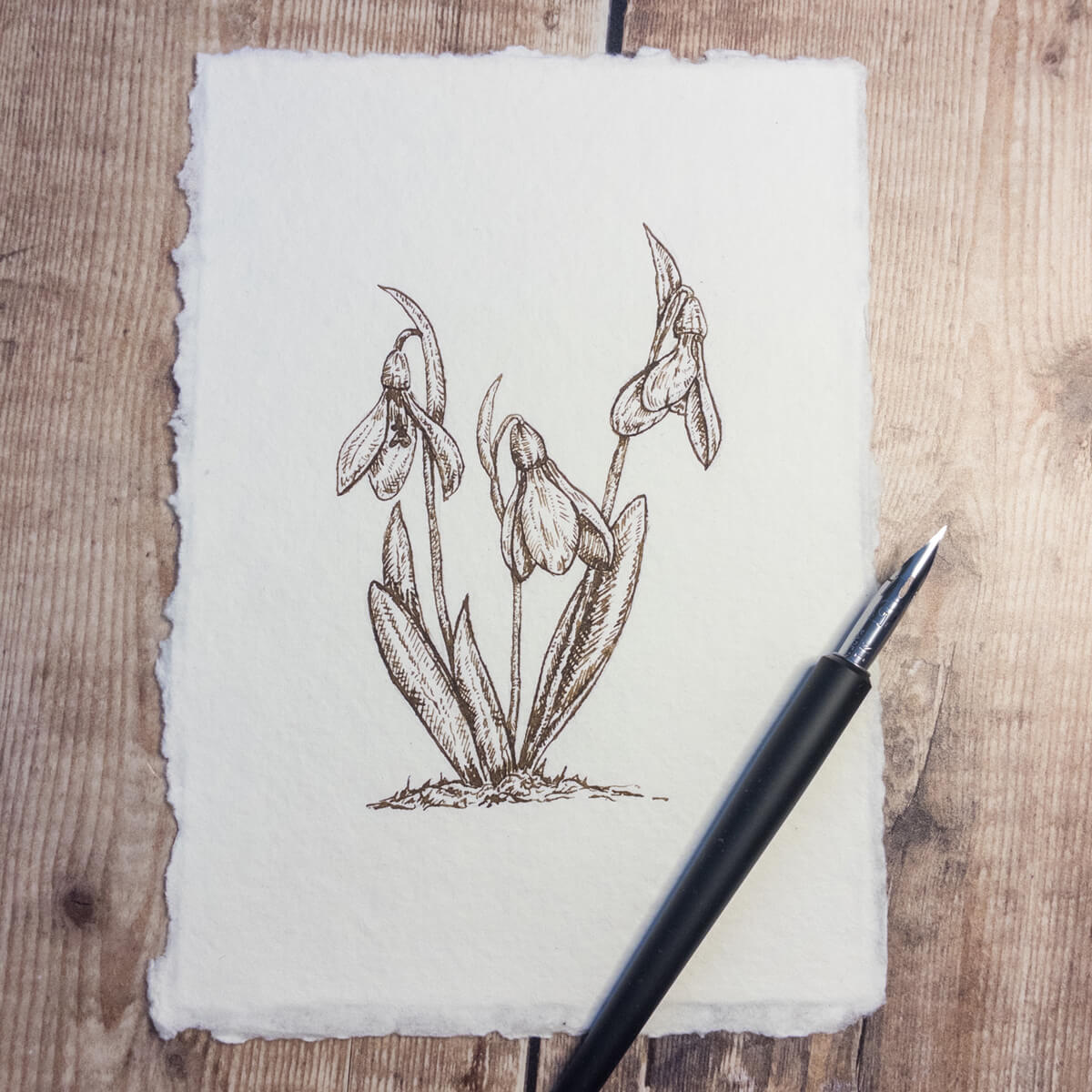
Perhaps that’s why Snowdrops feel even more precious today. If they hold a special place in your heart, they can still be welcomed indoors. Not gathered or taken from the earth, but through quiet, calming drawings and illustrations. A way of living with their meaning while leaving them where they belong: nature observed, not taken.
One of my favourite stories of Snowdrops was hearing that a couple had small pots of them on their tables at their wedding. Once their special day had passed, they planted them together in their garden. So every year they are reminded of their wedding day with a beautiful carpet of Snowdrops. This type of connection to nature is why I love to capture fauna and flora, so these memories can be kept alive all year long.
This quiet symbolism, how nature offers comfort, meaning and story, is also what inspires my illustration work and why I love to capture fauna and flora. So these memories can be kept alive all year long, no matter the season. From hand-drawn botanical studies to birth flower cards, all created to be kept and cherished.
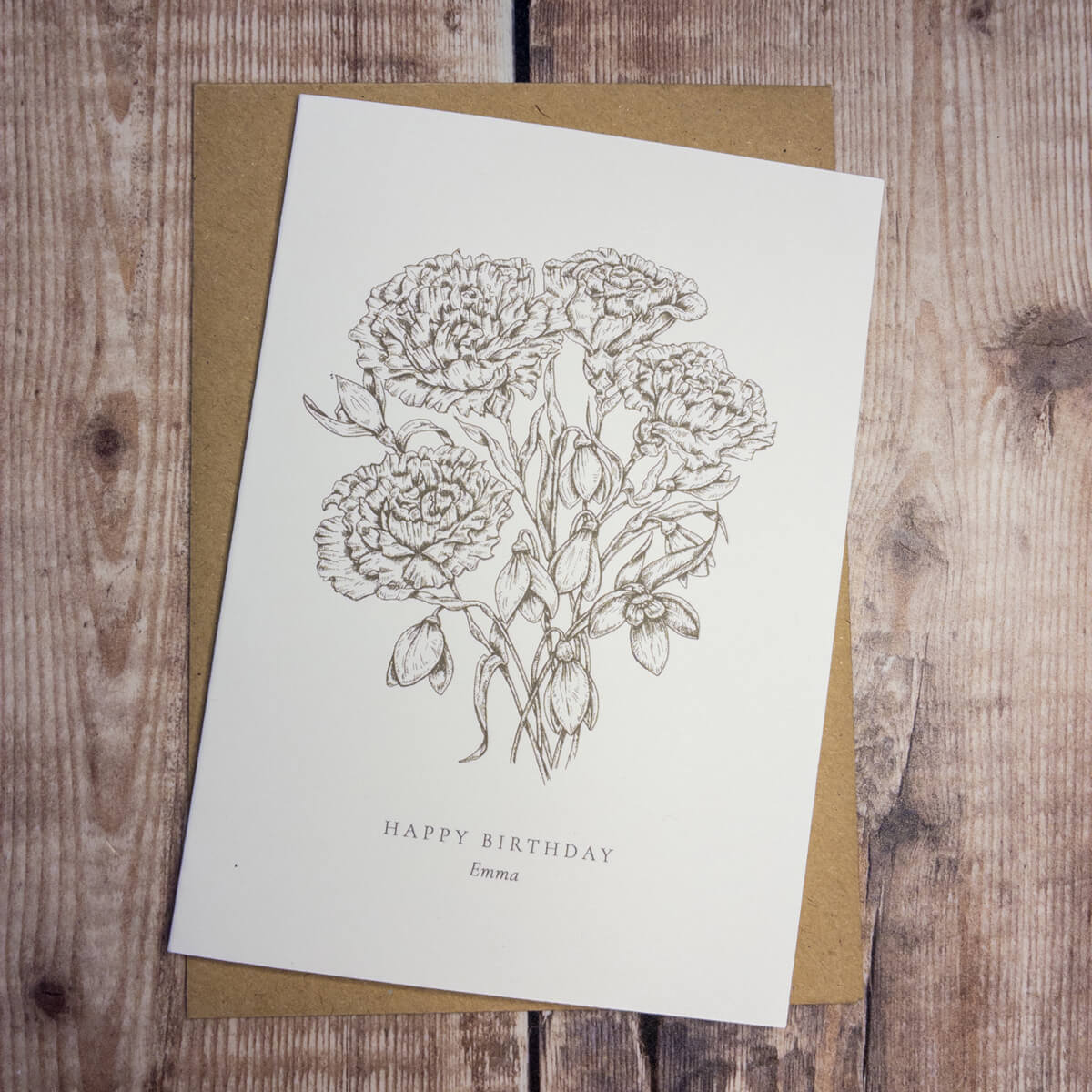
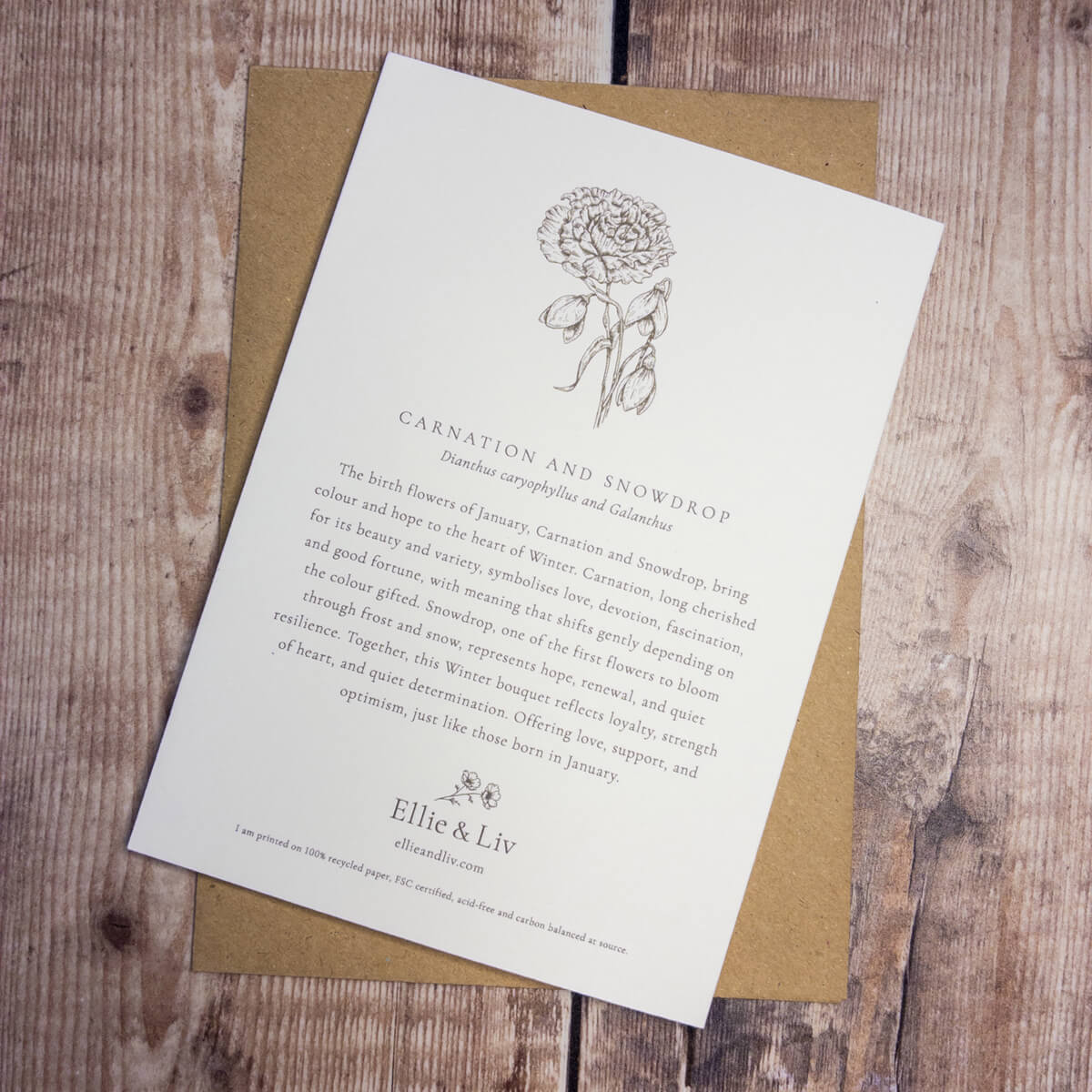
Snowdrop is the January birth flower
The snowdrop is one of the January birth flowers, alongside the carnation.
The carnation, long cherished for its beauty and variety, symbolises love, devotion, fascination and good fortune, with meanings that gently shift depending on its colour. The snowdrop, blooming bravely through frost and snow, represents hope, renewal and quiet resilience. Together, these January birth flowers reflect loyalty, strength of heart and determination, qualities that feel especially fitting for those born in the depths of Winter.
Uses of Snowdrops
Snowdrops are not only symbolic flowers; they have also been used traditionally as a treatment for headaches due to their pain-relieving properties. In more recent times, compounds found within the snowdrop plant have contributed to the development of treatments for dementia and Alzheimer’s, showing how much knowledge and power can be held within even the smallest plants.
However, like many plants, snowdrop bulbs are poisonous, and I would never recommend attempting any home remedies.
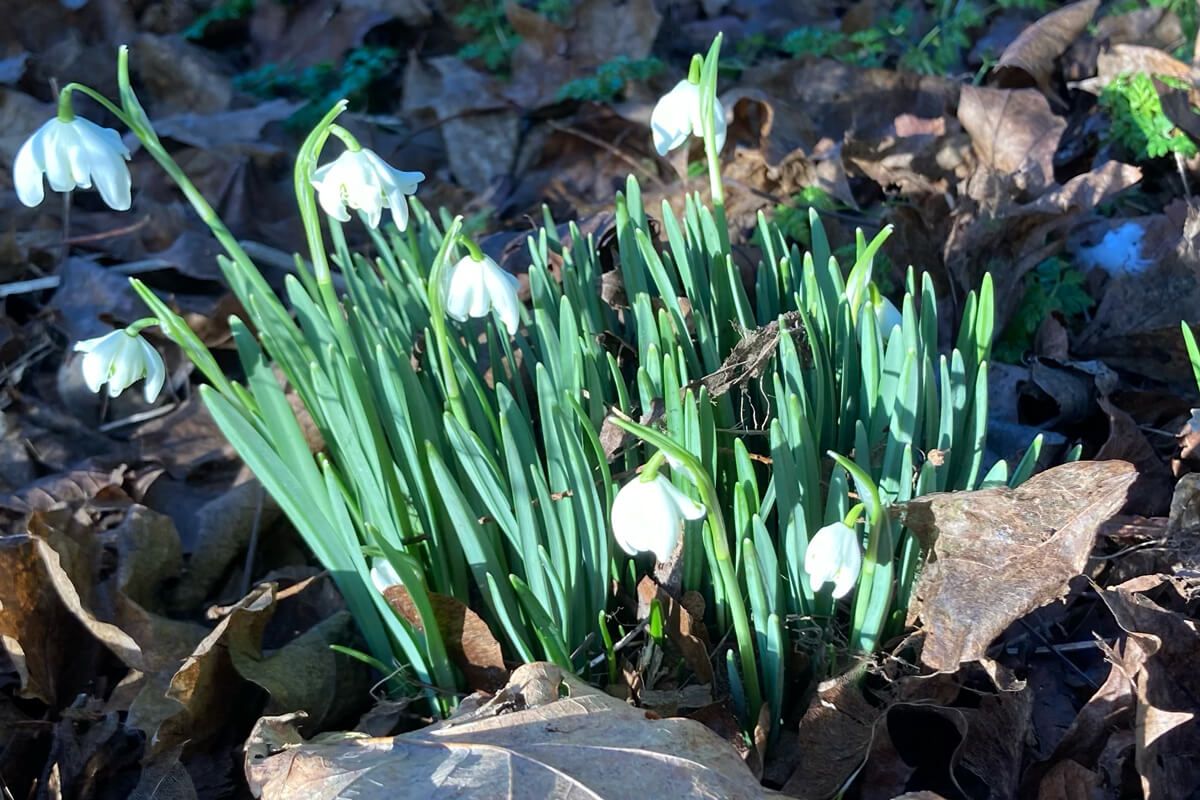
Quiet Gifts of Winter
Snowdrops may be small, but their message is powerful. Blooming quietly when the world still feels cold and uncertain, they remind us that hope doesn’t arrive loudly, it arrives gently. By noticing these small white flowers pushing through winter soil, we’re invited to slow down, look more closely, and trust that new beginnings are already unfolding, even if we can’t quite see them yet.
And in their quiet presence, we can carry their meaning into our own lives, through art, illustration, and thoughtful connection. Living with Snowdrops as a reminder that beauty, hope, and resilience can be observed and appreciated, without ever needing to take them from their place in the natural world.

About the Author
Simone Carr is the designer and founder of Ellie and Liv, a creative design and illustration studio specialising in thoughtful branding and illustration for creative, purpose-led businesses. With over 20 years of commercial design experience, Simone helps brands tell their stories through authentic visuals that reflect their values and connect with their ideal audience.
She believes a design brief isn’t a formula to follow; every business is unique and should have elements designed in a way true to them. By listening closely and taking time to absorb your vision and goals, Simone translates your ideas into a brand identity that feels timeless, balanced, and unmistakably you.
After all, “you can’t rush something you want to last”.
Your brand deserves to be seen and loved by the right people. Explore my branding services to see how we can bring your vision to life.
Find Your Calm With Sprigs And Stories
If you’re drawn to nature, fine line illustration, and the slow, considered things in life, this is where it begins.
Discover behind-the-scenes glimpses, botanical musings, and meaningful design stories. Whether you're a fellow nature lover, a mindful maker, or a brand drawn to soulful storytelling, this is your place to pause, connect, and be inspired. You'll also be the first to know about new projects, offerings, and exclusive studio updates.